How Much Photography Coverage Do We Actually Need for Our Wedding? (6, 8, 10 hours?)
When looking at wedding photography packages, one of the biggest questions is how many hours of coverage you actually need. It’s not always obvious, especially if you’ve never planned a wedding before.
More hours aren’t automatically better. The right amount of coverage depends on how your day is structured and what moments matter most to you.
Start with your timeline
The best way to figure out coverage is to look at the flow of your day.
Think about:
- when getting ready begins, and how much of the getting ready portion of the day you’d like to have coverage for.
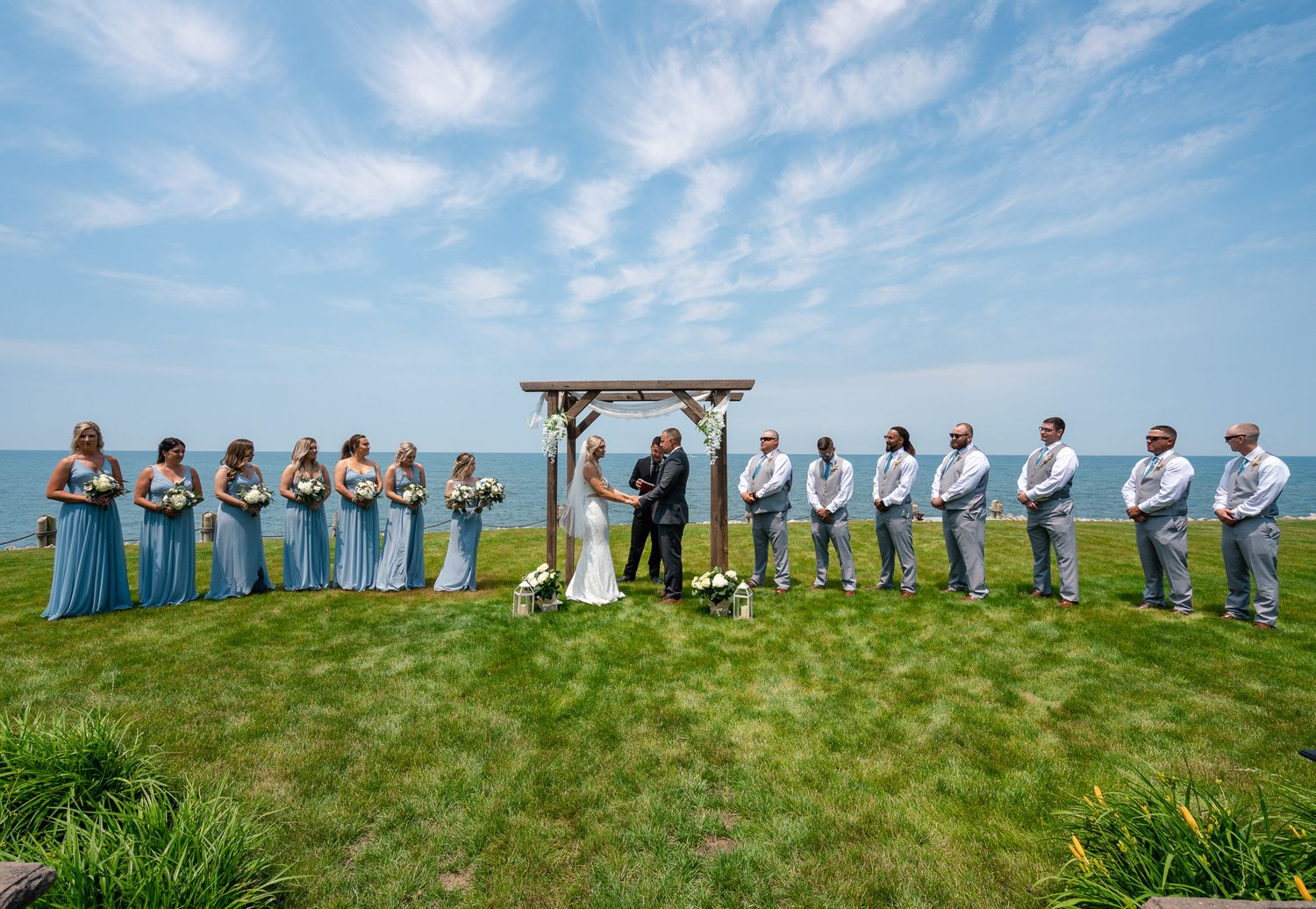
- when the ceremony starts
- how long the reception will last
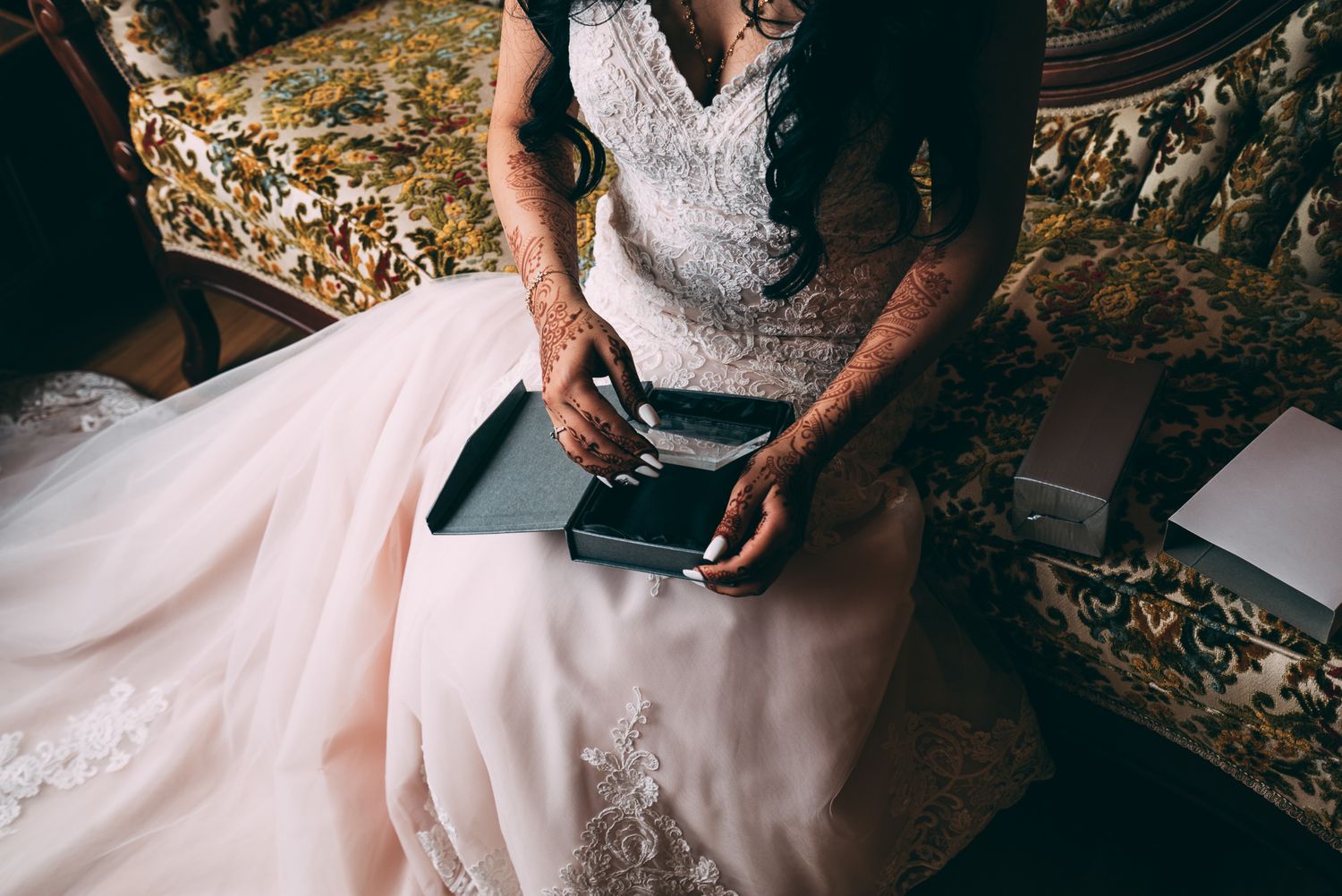
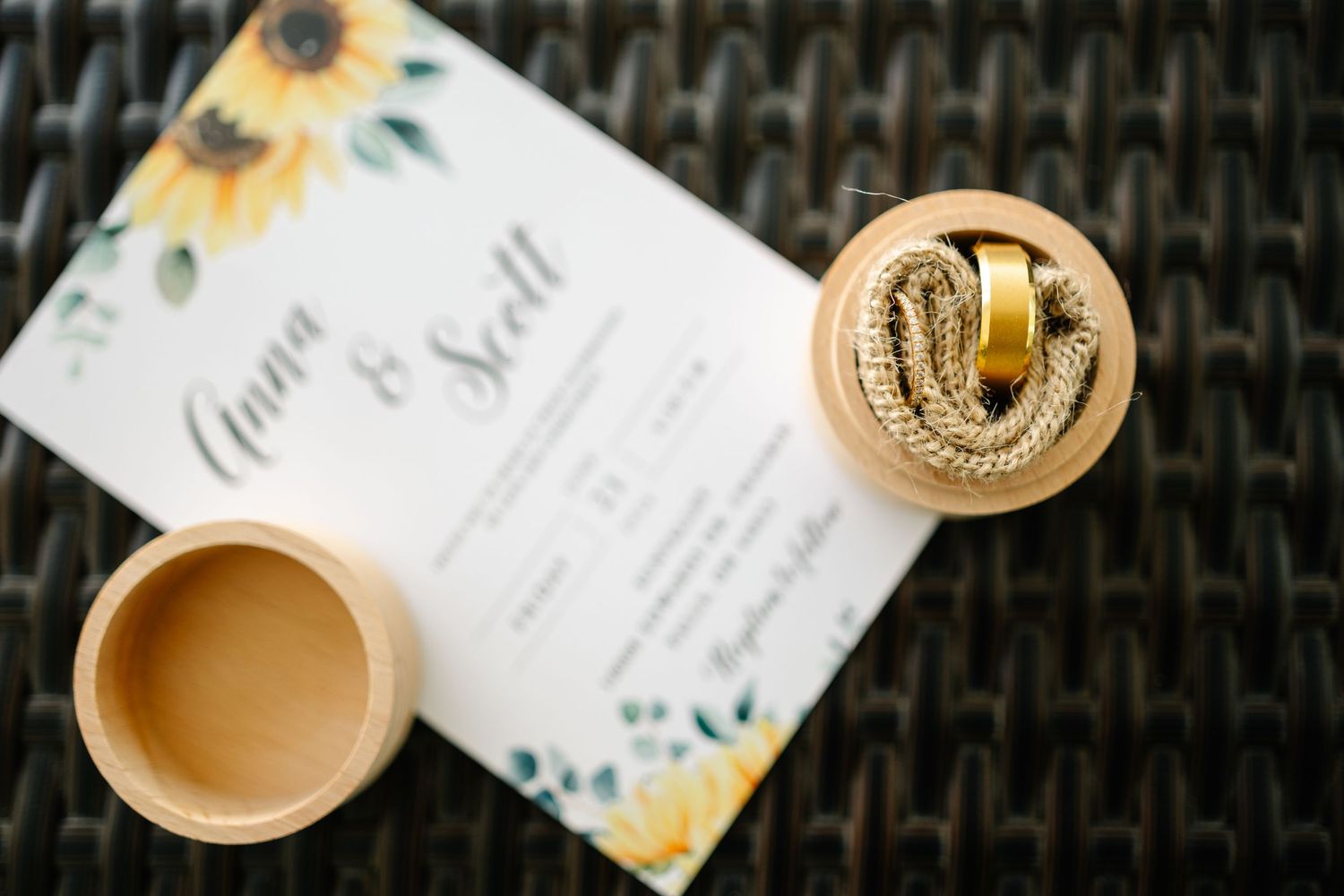
Coverage usually starts sometime during getting ready and ends during the reception, but the exact start and end points vary a lot. More recently, a lot of couples are opting for less coverage during the getting ready portion of the day, which can often save 1-2 hours of coverage that can be reserved for later in the day. That being said, it’s still important to remember that if you have any details such as shoes, rings, invitations, heirlooms or other items that you would like photographed, the photographer will generally use some of the time during getting ready hours to capture those images, before capturing finished makeup, hair, etc.
Common coverage ranges
While every wedding is different, many weddings fall into a few general ranges.
Shorter coverage (around 6 hours) often works well for:
- smaller weddings (either in time or amount of people, or both)
- single-location venues
- minimal getting-ready coverage
Mid-range coverage (around 8 hours) is common for:
- full ceremony and reception
- some getting-ready photos
- a comfortable pace without rushing
Longer coverage (10+ hours) is helpful for:
- large weddings
- long gaps between events
- extensive getting-ready coverage
- late-night receptions
These are just guidelines, not rules. Always be sure to talk with your photographer to walk through your schedule so you can all decide on what will work best for the day. Your photographer should be able to plan nicely if given your general schedule for the day, but this is where it is extremely important to communicate so everyone can be on the same page and understand exactly what is happening, where and when.
Getting ready adds time quickly
Getting-ready photos are often spread across multiple locations and take longer than most couples expect.
If you want:
- both partners photographed while getting ready
- details like attire, rings, or invitations
- a relaxed pace
you may need to add extra time at the beginning of the day, or make sure your photographer has an assistant/second photographer to help during the wedding day.
What moments matter most to you?
This is one of the most important questions to ask yourselves.
Some couples care most about:
- ceremony and family photos
- reception and guest interactions
- late-night dancing
Others are fine skipping certain parts if it means staying within a budget. There’s no wrong answer — just priorities.
More time often means less stress
One of the biggest benefits of having enough coverage is breathing room.
Extra time allows:
- portraits without rushing
- flexibility if the timeline slips
- space to adjust for weather or delays
Even a small buffer can make the day feel calmer. Eight hours is usually the most ideal amount of time to hire a photographer for. Again, this all depends on your day!
A good photographer will help you decide
You don’t need to figure this out alone.
An experienced photographer should be able to look at your timeline and help you decide how much coverage makes sense. The goal should always be to make sure the day flows well and nothing important feels squeezed.